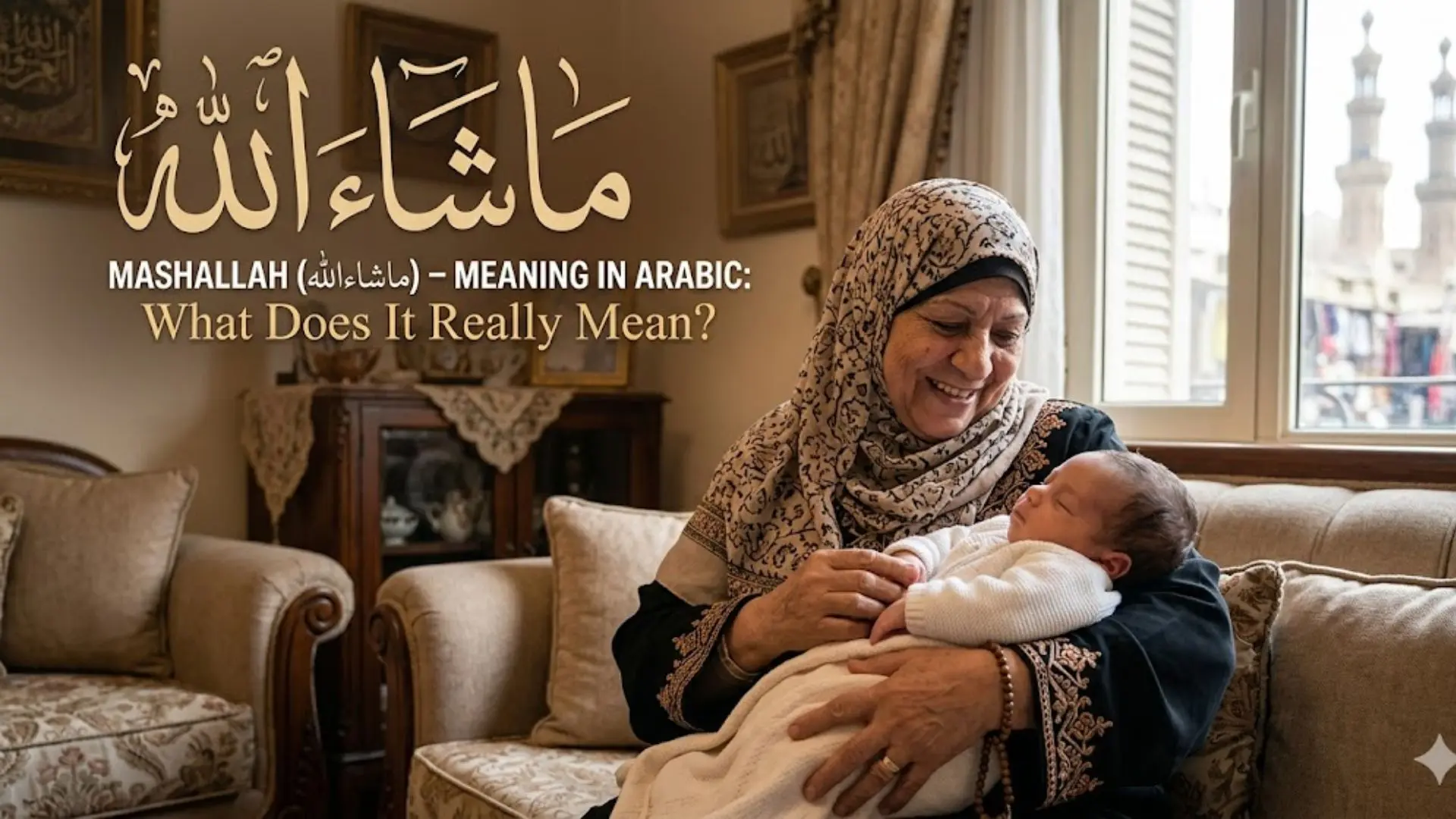
You’ve probably heard someone say “Mashallah” and wondered what it actually means — or maybe you’ve been trying to use it yourself but weren’t sure if you were saying it right. It’s one of those phrases that feels deeply meaningful, yet so many people outside Arabic and Islamic culture don’t fully understand it. And honestly? That curiosity makes complete sense.
In this post, we’re breaking down the mashallah meaning in arabic — from its literal translation to how and when real people use it in everyday life. Whether you’re learning Arabic, exploring Islamic culture, or just trying to understand a phrase you keep hearing, you’ll find clear, honest answers here. Stick around — it gets really interesting.
Mashallah Meaning in Arabic – What Does It Really Mean?
You’ve probably heard someone say “Mashallah” and wondered what it actually means — or maybe you’ve been trying to use it yourself but weren’t sure if you were saying it right. It’s one of those phrases that feels deeply meaningful, yet so many people outside Arabic and Islamic culture don’t fully understand it. And honestly? That curiosity makes complete sense.
In this post, we’re breaking down the mashallah meaning in arabic — from its literal translation to how and when real people use it in everyday life. Whether you’re learning Arabic, exploring Islamic culture, or just trying to understand a phrase you keep hearing, you’ll find clear, honest answers here. Stick around — it gets really interesting.
Mashallah Meaning in Arabic
At its core, Mashallah is an Arabic Islamic phrase written as مَا شَاءَ ٱللَّٰهُ in Arabic script. It translates literally to “God has willed it” or “What Allah has willed.” Muslims say it to express admiration, gratitude, and awe — while acknowledging that everything beautiful or good comes from Allah’s divine will.
The phrase breaks down into three simple parts:
- Ma (ما) — What
- Sha’a (شَاءَ) — Willed / has willed
- Allah (ٱللَّٰهُ) — God
Here’s a quick reference table:
| Spelling | Pronunciation | Meaning |
| Mashallah | maa-shaa-Allah | What Allah has willed |
| ما شاء الله | Arabic script | God has willed it |
| Ma sha Allah | Alternate spelling | Same meaning |
The spelling variations — Masha’Allah, Mashaallah, Ma sha Allah — are all correct. They’re just different ways of writing the same Arabic phrase in English letters.
Mashallah in the Quran
The phrase appears directly in the Quran in Surah Al-Kahf (18:39), where Allah says: “Why, when you entered your garden, did you not say, ‘What Allah has willed; there is no power except in Allah’?” This verse tells the story of a man who boasted about his wealth and garden without acknowledging Allah — and it serves as a timeless reminder of humility and gratitude.
The lesson here is profound. When you see something beautiful or successful, saying Mashallah is an act of spiritual grounding. It’s a way of saying, “This is not just luck or my own doing — Allah made this happen.” That connection to tawakkul, or complete trust in Allah, is exactly what makes this phrase so much more than a compliment.
When To Say Mashallah
Muslims say Mashallah whenever they see or hear something that fills them with admiration — a newborn baby, a personal achievement, a beautiful home, or even good news from a friend. It’s also used as a form of protection from the evil eye (al-ayn), a real concept in Islamic belief where excessive praise or envy can unintentionally cause harm to someone. Saying Mashallah is believed to ward off that negative energy.
Here are some everyday examples:
| Situation | Example Sentence |
| New baby born | Mashallah, what a beautiful child! |
| Someone’s achievement | Mashallah, you topped your class! |
| Beautiful home | Mashallah, your house is stunning! |
| Good news shared | Mashallah, that’s wonderful news! |
| Someone looks well | Mashallah, you look so healthy! |
In South Asia and the Middle East, you’ll hear it constantly in daily life — at family gatherings, in conversations, even in casual texts. It’s deeply woven into Muslim expression across cultures.
Mashallah vs Inshallah
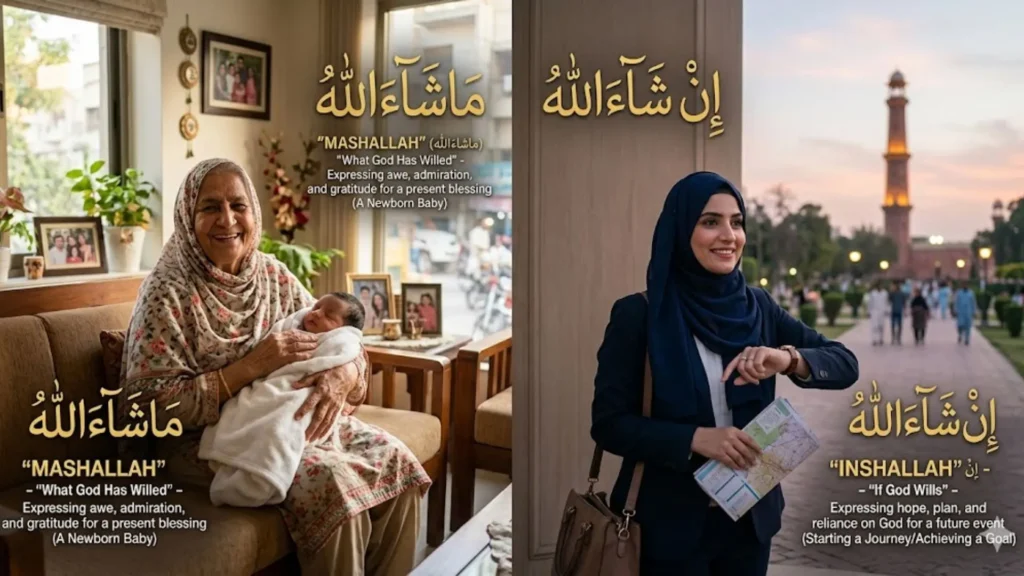
People often confuse these two phrases but they actually refer to different points in time. Mashallah looks at the past or present — it acknowledges something that has already happened or exists right now. Inshallah, on the other hand, looks to the future — it means “If Allah wills it” and is used when talking about something you hope will happen.
| Phrase | Tense | Meaning | Example |
| Mashallah | Past / Present | What Allah has willed | “Mashallah, your son is so smart!” |
| Inshallah | Future | If Allah wills it | “Inshallah, I’ll see you tomorrow.” |
Think of it this way: Mashallah is your response to a blessing already in front of you. Inshallah is your hope for a blessing yet to come. Both reflect a deep trust in Allah’s plan — they just operate on different timelines.
Mashallah Tabarakallah Meaning
You’ve probably heard “Mashallah Tabarakallah” said together as one combined expression. When people use it this way, they’re layering two powerful phrases. Mashallah means “What Allah has willed” while Tabarakallah means “May Allah be Blessed” or “Blessed is Allah.” Together, they create a fuller expression of praise and spiritual appreciation.
Many Islamic scholars and communities recommend saying both phrases together, especially when complimenting someone or admiring something. It’s a stronger acknowledgment of Allah’s blessings and it adds an extra layer of sincerity. So next time you want to truly honor someone’s achievement or beauty, “Mashallah Tabarakallah“ carries even more weight than Mashallah alone.
How To Respond When Someone Says Mashallah
There’s no single required response when someone says Mashallah to you — and that’s actually freeing. If someone is complimenting you, a warm thank-you combined with a phrase of gratitude is perfectly appropriate. The goal is to receive the kind words with humility and acknowledge Allah’s blessings in return.
Here are six natural responses you can use:
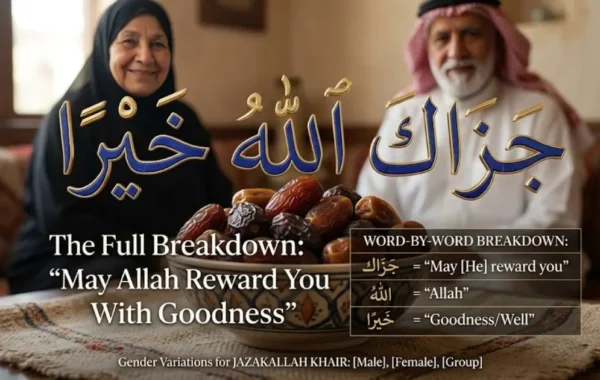
- JazakAllahu Khayran — “May Allah reward you with goodness” (the most heartfelt response)
- Alhamdulillah — “All praise is for Allah” (expressing gratitude)
- Ameen — Said if the person also made a prayer or dua for you
- Shukran / Thank you — A simple, sincere thank-you works perfectly
- Barakallahu feek — “May Allah bless you” (warm and traditional)
- Subhanallah — “Glory be to Allah” (used when the praise feels overwhelming)
The key is authenticity. Even a simple smile and “Alhamdulillah” goes a long way.
Can Non-Muslims Say Mashallah?
Yes — and this surprises many people. Arab Christians and non-Muslims across the Middle East have used Mashallah for generations to express joy, admiration, and respect. The phrase is so deeply embedded in Arabic culture that it transcends religious boundaries in many communities. For non-Muslims, saying it shows cultural awareness and genuine appreciation.
That said, if you’re a non-Muslim using Mashallah, it’s worth understanding what it means so you’re using it sincerely rather than casually. It’s not just a filler word or a trendy phrase — it’s a spiritual acknowledgment of God’s will. Use it where it fits naturally, and people will appreciate the effort and the respect behind it.
Common Mistakes People Make
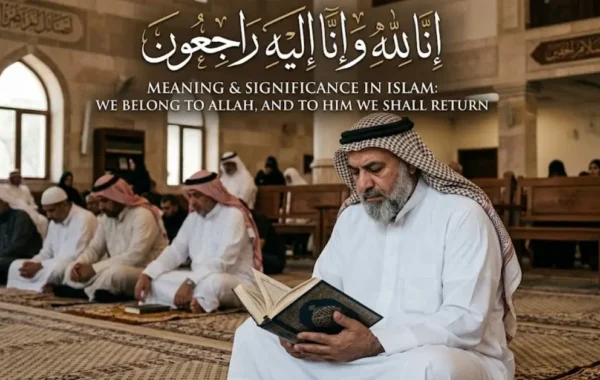
One of the biggest misunderstandings is using Mashallah for bad news or sad events — that’s not how it works. When something unfortunate happens, Muslims say “Inna Lillahi wa inna ilayhi raji’un” (from the Quran). Mashallah is specifically for expressing admiration and gratitude, not sorrow. Mixing these up can feel jarring to native speakers.
Here are a few other common mistakes to avoid:
- Wrong occasion — Don’t say Mashallah in response to death, illness, or bad news
- Pronunciation slip — The correct stress is maa-SHAA-Allah, not muh-SHAH-luh
- Spelling confusion — Masha’Allah, Mashaallah, and Ma sha Allah are all fine; none is more “correct” than another
- Using it sarcastically — In some Western internet culture, Mashallah gets used ironically; this strips it of its sacred meaning and can be disrespectful
Getting these right shows real respect for the phrase and the culture it comes from.
FAQs
What Does Mashallah Mean in Arabic?
Mashallah means “What Allah has willed.” It expresses admiration, gratitude, and acknowledges that all blessings come from God.
When Should I Say Mashallah in a Conversation?
Say Mashallah when admiring something beautiful — a newborn, an achievement, or any blessing you genuinely appreciate.
What Is the Difference Between Mashallah and Inshallah?
Mashallah refers to present blessings already given. Inshallah means “if Allah wills it” — a future hope.
How Do You Pronounce Mashallah Correctly in Arabic?
Pronounce it as maa-SHAA-Allah. Three clear syllables — smooth, not rushed. Practice slowly and it comes naturally.
Can Non-Muslims Say Mashallah in Daily Life?
Yes. Arab Christians and non-Muslims use it freely. It shows cultural respect and genuine appreciation for something beautiful.
How Do I Reply When Someone Says Mashallah to Me?
Reply with Alhamdulillah, JazakAllahu Khayran, or a simple thank you. Any sincere, grateful response works perfectly.
Is Mashallah Written as One Word or Two Words?
Both are correct. Mashallah, Masha Allah, and Ma sha Allah are all accepted spellings meaning the same thing.
Conclusion
Mashallah is one of those phrases that carries so much more than its words suggest. It’s a genuine expression of awe, a spiritual shield against envy, and a humble reminder that every good thing comes from Allah. From its roots in Surah Al-Kahf to everyday conversations across the Muslim world, it’s a phrase that connects people to something bigger than themselves.
Now that you understand the mashallah meaning in arabic, you can use it with real confidence and sincerity. Whether you’re Muslim or simply someone who appreciates beautiful expressions, this phrase deserves to be said thoughtfully. Know someone you’d love to say Mashallah to? Share this article with them today!



Leave a Reply